Botswana’s Okavango Delta is a symphony of wild beauty, raw adventure, and immersive tranquility. As one of the most pristine ecosystems on Earth, this UNESCO World Heritage Site hosts a staggering diversity of wildlife and ecosystems, all thriving within a seasonal floodplain that breathes life into the heart of southern Africa. Eco safari stays in the Delta go beyond game drives—they are about intimate connections with nature, responsible tourism, and unforgettable moments under the stars. Designed for those who crave wilderness without sacrificing comfort, these lodges blend sustainability with style, offering an exclusive front-row seat to Africa’s most vibrant natural theatre.
1. Xaranna Okavango Delta Camp – Luxury Among the Lilies
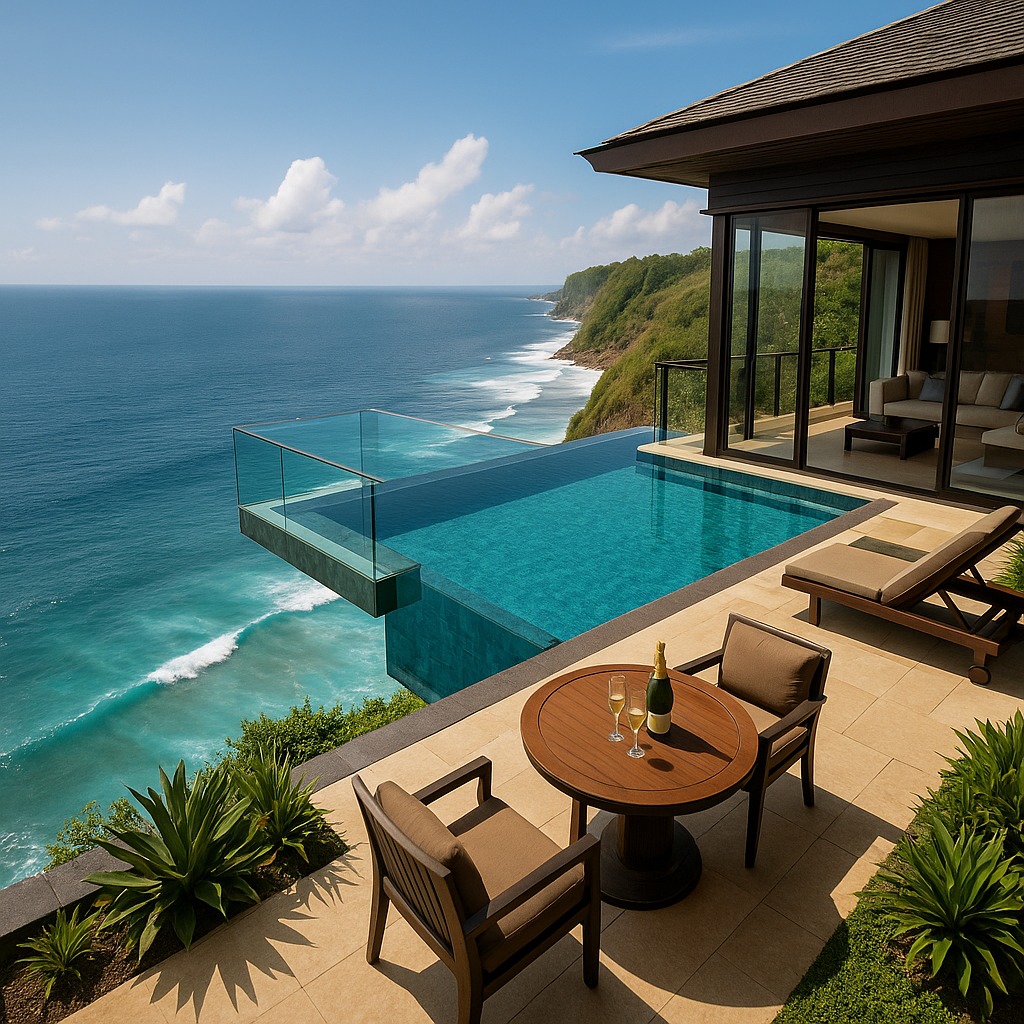
Set on a private concession in the southern Delta, Xaranna Okavango Delta Camp by &Beyond is a dreamy escape floating between land and water. With just nine canvas-and-glass suites, the camp offers an ethereal experience in pastel tones and organic textures. Each suite features a private plunge pool, outdoor sala, and unobstructed views of the lagoon where elephants often meander past.
Xaranna operates with deep eco-consciousness—solar energy powers the camp, and all waste is carefully managed to leave minimal impact. Game drives are offered, but so are mokoro (dugout canoe) excursions, allowing guests to glide silently through reed channels and spot kingfishers, painted reed frogs, and maybe even a shy sitatunga antelope.
2. Duba Plains Camp – Where Conservation Meets Grandeur
Renowned for its exclusive wildlife encounters, especially the dramatic lion-buffalo interactions, Duba Plains Camp lies in the heart of a 77,000-acre private reserve. Designed by legendary filmmakers Dereck and Beverly Joubert, this Relais & Châteaux property is as luxurious as it is low-impact. The five tented suites evoke old-world safari elegance with brass fittings, teak floors, and vintage artifacts, all while being powered by a sophisticated solar grid.
What sets Duba Plains apart is its commitment to conservation. Proceeds support local communities and protect surrounding habitats. Here, guests may dine under chandeliers in the open air after a day spent tracking predators or quietly watching a herd of elephants cross a golden floodplain.
3. Pelo Camp – Pure Wilderness in a Remote Island Hideaway
For those who seek true immersion into the wild, Pelo Camp offers a raw yet comfortable eco-experience. Tucked away on a heart-shaped island in the Jao Concession, Pelo (meaning “heart” in Setswana) is all about water-based safaris and environmental stewardship. The five Meru-style tents are solar-powered and crafted with natural materials, with no Wi-Fi or mobile reception—just the sound of hippos at night and birdsong at dawn.
There are no game vehicles here; instead, days are spent navigating the Delta by mokoro or walking with experienced guides. It’s an ideal retreat for birders and photographers looking to capture the subtler rhythms of the Delta ecosystem.
4. Vumbura Plains – Contemporary Design Meets Untamed Wilderness
A striking blend of modern architecture and untouched wilderness, Vumbura Plains is a camp that speaks to design lovers and wildlife enthusiasts alike. Split into North and South camps, each with its own lounge and dining area, Vumbura features spacious suites with elevated decks, indoor/outdoor showers, and private plunge pools overlooking the floodplain.
This Wilderness Safaris property runs on solar power and integrates green practices into its daily operations. Game drives here are prolific, thanks to the diverse habitats—guests might spot sable antelope, cheetah, or the rare roan antelope. The camp’s contemporary aesthetic contrasts beautifully with the rugged landscape, making it one of the Delta’s most photogenic lodges.
Q&A: Planning Your Eco Safari in the Okavango Delta
Q: When is the best time to visit the Okavango Delta?
A: The dry season from June to October is ideal, when floodwaters arrive and concentrate wildlife around permanent water sources. However, the green season (December to April) offers lush scenery, birding, and fewer tourists.
Q: Are these eco-lodges family-friendly?
A: Most camps cater to couples or small groups, but some, like Vumbura Plains and Duba Plains, do welcome families with older children. Always check age policies in advance.
Q: What should I pack for an eco safari?
A: Lightweight neutral clothing, binoculars, a good camera, sun protection, and eco-friendly toiletries. Leave large suitcases at home—most flights into the Delta use small aircraft with weight limits.
Q: Any other eco lodges worth considering?
A: Yes! Consider Sandibe Okavango Safari Lodge for its sculptural design inspired by pangolins, Kwetsani Camp for treehouse-style luxury, or Little Tubu for a quieter, intimate vibe in the western Delta.
Conclusion: A Journey That Nourishes Soul and Earth
An eco safari stay in Botswana’s Delta is not just a vacation—it’s a soulful pilgrimage into one of Earth’s last true wildernesses. These lodges prove that you don’t have to compromise on comfort to travel responsibly. Each moment—whether it’s a mokoro ride at sunrise, a lion’s roar echoing across the plains, or a candlelit dinner under acacia trees—cements a connection to something bigger, older, and infinitely precious. For the discerning traveler who values both luxury and legacy, the Okavango Delta delivers an experience that is as unforgettable as it is sustainable.